


THE S.I.R.E.F.A. PROJECT
Sistema Integrato Rifiuti Energia Fertilizzanti Agricoltura
What it is
The SIREFA project (Integrated System for Waste, Energy, Fertilisers and Agriculture) aims to produce fertilisers for agriculture, materials, chemicals and energy carriers, without using raw materials from fossil sources.
The process flow is divided into four sections, each with different production sites, located in the province of L'Aquila, in separate locations both to optimise the supply of forest biomass and to reduce the risks arising from concentrating production activities in a single place.
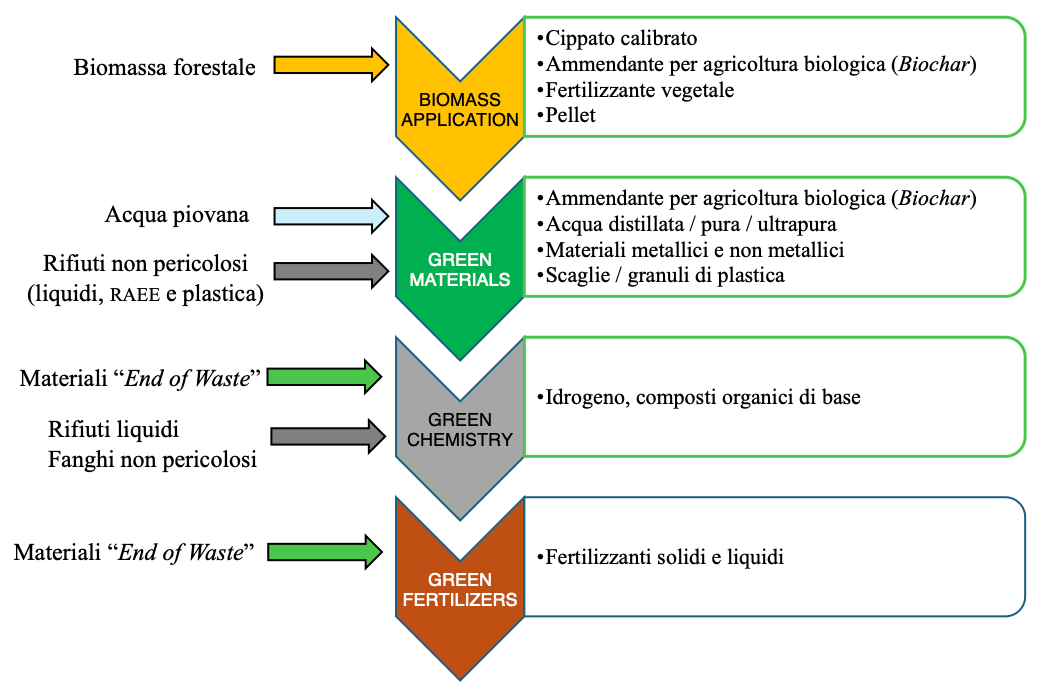
Application of the principles of the circular economy
The project is a broad application of the principles of the circular economy. The energy sources will be biomass and the sun; when the hydrogen-producing plant comes into operation, electricity will also be produced through fuel cells.
Application of bioclimatic architecture
Bioclimatic architecture aims at the design and construction of buildings in close relationship with the external atmospheric and climatic conditions of the place, so that high levels of climatic comfort can be achieved inside the buildings.
MES – Manufacturing Execution System
Startengy aims to develop an innovative system that allows complete integration between the usual commercial management software (shown in yellow in the figure), the production lines and any other system installed in the plant.
Biomass Applications
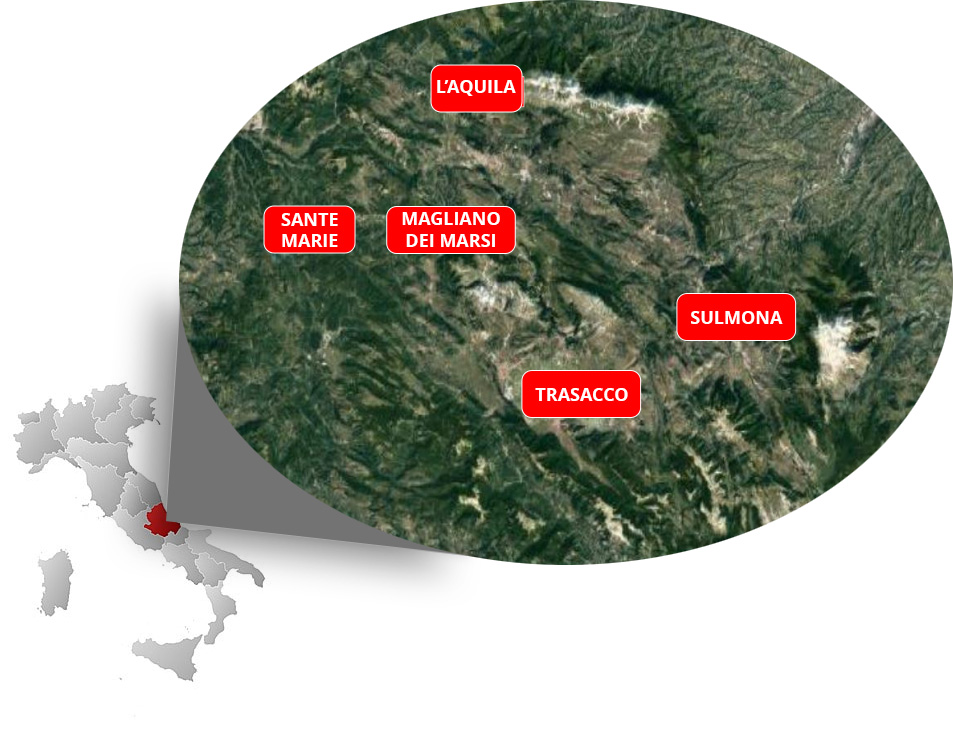
Biomass Applications will have five production sites, at "zero kilometres" from the forests of the Abruzzo Apennines. The first plant is planned in Magliano dei Marsi (AQ).
Green Materials
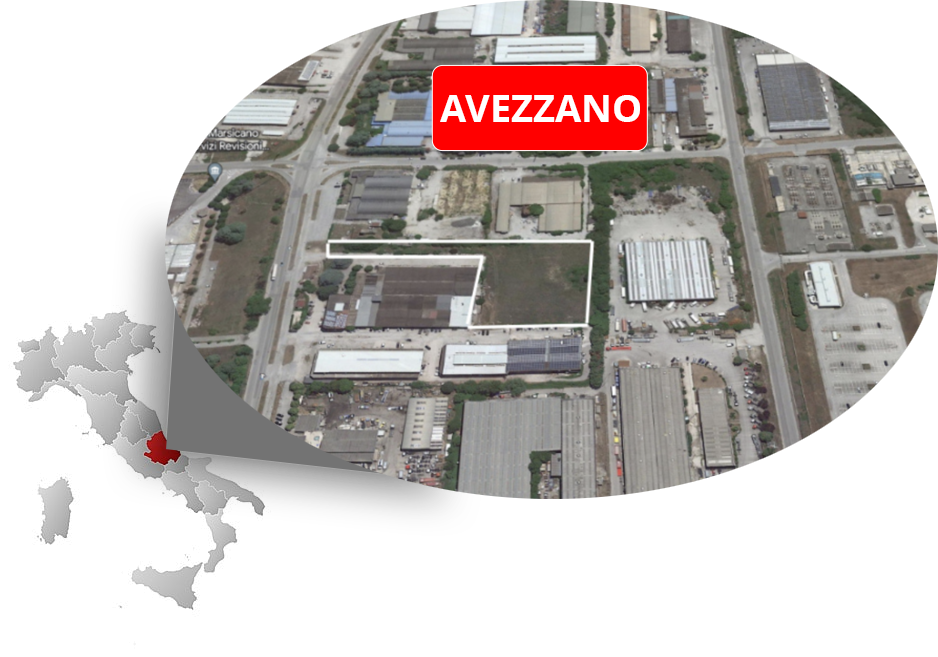
Green Materials will be built in the Avezzano (AQ) industrial hub, on an 8,041 m2 plot already purchased by Startengy.
The SIREFA project is modular and scalable, which will allow the investment to be spread over successive phases and, therefore, to verify over time the production efficiency and profitability of operations.
Return on investment
The SIREFA project is modular and scalable, which will allow the investment to be spread over successive phases and, therefore, to verify over time the production efficiency and profitability of operations.